Complete Guide to Baking Packaging: Choosing the Best Containers for Freshness and Presentation
Effective packaging is vital for maintaining the quality of baked goods while enhancing their visual appeal. It serves not only to preserve freshness but also to attract customers and strengthen brand identity. Multiple materials and design factors serve a key function in this process. Learning to identify the right packaging solutions can profoundly affect a baker's achievements. Which considerations should bakers evaluate to ensure their packaging satisfies both functional and visual requirements?
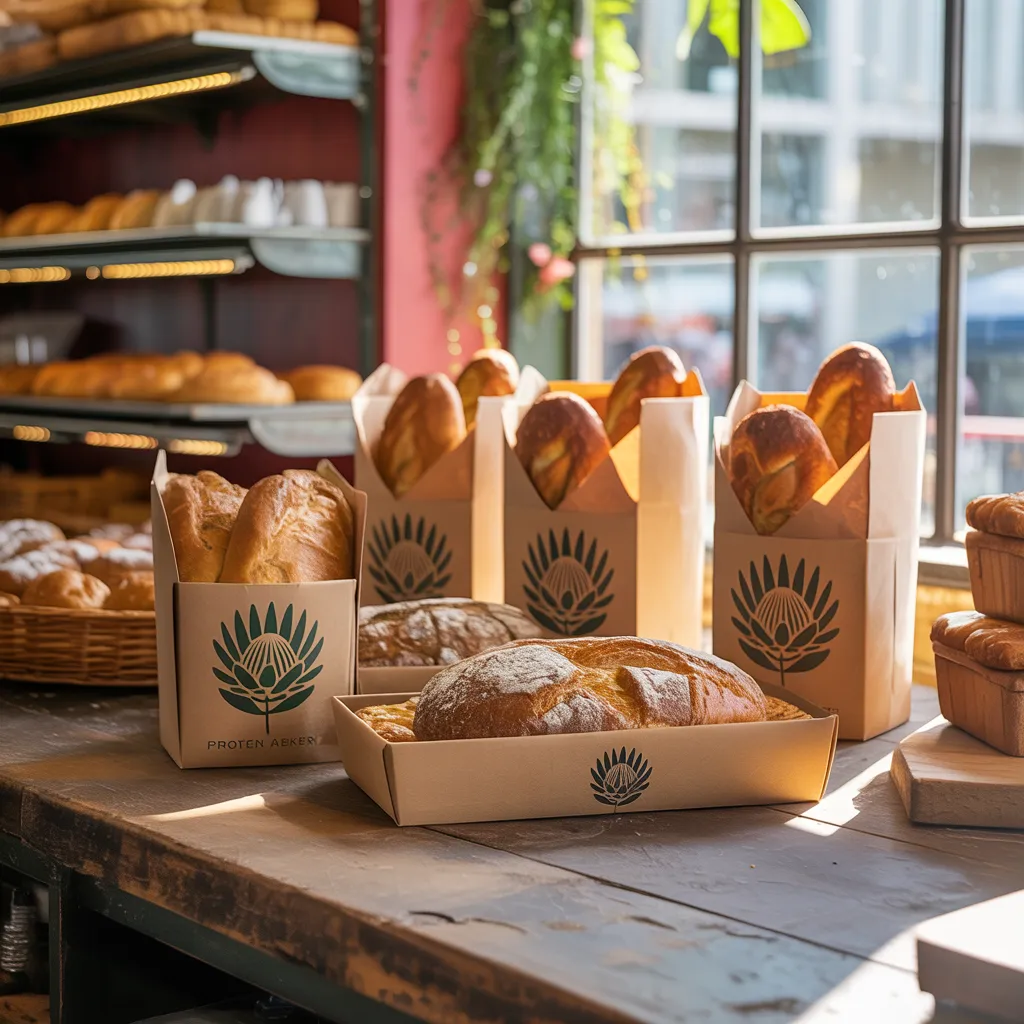
Why Baking Packaging Matters for Freshness and Appeal
When examining the effectiveness of bakery products, packaging serves a vital function in maintaining freshness and improving visual presentation. The proper packaging not only maintains the quality and flavor of baked goods but also engages customers with its presentation. Freshness is paramount; insufficient packaging may result in staleness or deterioration, diminishing the product's overall desirability.
Moreover, attractive packaging can express brand identity and elicit emotional responses, ultimately influencing buying decisions. Color, texture, and shape each play a role in the overall quality perception. A professionally designed package can work as a strategic marketing resource, showcasing the skill and dedication behind the baked goods.
In today's competitive market, quality packaging differentiates a product, boosting its presence on retail shelves. Ultimately, the value of packaging goes beyond simple functionality; it is an integral part of the overall experience for consumers, guaranteeing that baked goods remain not only fresh but equally appealing.
Types of Packaging Supplies to Keep Your Treats Fresh
With respect to extending the shelf life of bakery products, the decision regarding packaging materials makes a significant difference. Plastic containers offer airtight seals that help retain moisture, while different paper-based packaging solutions provide breathability and a rustic appeal. Grasping the merits of each packaging choice can help bakers choose wisely to optimize freshness.
Plastic Containers Benefits
Plastic containers offer a convenient choice for preserving the freshness of bakery products. Their airtight seals effectively protect against moisture and air exposure, which can lead to spoilage. Lightweight and durable, plastic containers are easy to handle and transport, making them ideal for both amateur bakers and commercial establishments. They come in a wide range of shapes and sizes, fitting everything from small cookies to large cakes. Moreover, several plastic varieties are see-through, enabling appealing displays while enabling customers to view the contents easily. Reusability is another significant benefit, as they can be washed and repurposed. In addition, plastic containers are typically cost-effective, making them accessible for bakers operating on a budget while keeping products both fresh and visually appealing.
Paper Packaging Options
Several paper packaging alternatives deliver effective solutions for maintaining the quality of pastries and confections. Greaseproof paper is popular for its power to withstand grease and liquids, protecting the freshness of items like pastries and cookies. Wax paper delivers comparable advantages, forming a barrier against moisture and air, while also lending a elegant appearance. For more substantial items, paper bags featuring a window allow visibility while protecting contents from the surrounding environment. In addition, sturdy kraft paper containers are robust and environmentally friendly, making them an environmentally conscious selection for a range of baked goods. All of these solutions not only ensures freshness but also enhances visual appeal, encouraging customers to savor the confections inside. In the end, selecting the best paper packaging can elevate both presentation and product integrity.
Expert Tips to Help Your Treats Shine
Creating an eye-catching design for baked goods packaging can considerably increase the visual appeal of baked goods. First, color plays a pivotal role; bold colors can capture interest while aligning with the theme or flavor of the baked goods. Employing opposite tones for typography and backdrop ensures clarity and visual appeal.
Integrating creative shapes and materials can also make packaging shine. Specially crafted die-cut boxes or window panels allow consumers to peek at the treats inside, enhancing desirability.
Type design shouldn't be overlooked; selecting typographic elements that embody the organization's personality can considerably shape audience impression.
Lastly, integrating decorative elements like stickers, ribbons, or stamps adds a personalized feel, elevating the visual presentation. Such design approaches not only enhance the product's visual appeal but also communicate care and craftsmanship, building a connection with interested shoppers.
How to Select the Ideal Box for Your Treats
Picking the perfect container for baked treats demands thoughtful attention to a few important factors. Initially, the measurements of the package should correspond to the number and kind of goods being stored. A tight fit reduces shifting, which can result in damage. Next, material choice is crucial; sturdy materials like cardboard or plastic ensure protection and preserve freshness.
The box's overall design is equally important, as it should enhance the visual appeal of the items inside. Transparent windows can showcase beautifully decorated items, while bright hues can capture attention. It is also important to consider the box's convenience of assembly and transport; straightforward designs facilitate quick packing and transportation.
Lastly, verify the box is food-grade, as safety remains critical in food-related packaging. By balancing design, size, material, and functionality, bakers can choose the most suitable box that safeguards their baked goods while displaying them attractively.
Green Baking Packaging Choices for Environmentally Aware Bakers
With bakers increasingly focusing on sustainability, environmentally friendly packaging solutions are becoming a necessity. Sustainable materials, such as recycled paper and plant-based plastics, are gaining traction among conscious bakers. Additionally, compostable packaging solutions offer an environmentally responsible way to present baked goods while minimizing waste.
Eco-Friendly Material Selections
What truly determines the sustainability of a baking packaging choice? It depends on the materials chosen and their impact throughout their lifecycle. Conscious bakers increasingly seek options made from renewable resources, including recycled paper, bamboo, and bioplastics. Such materials help lower dependence on fossil fuels while also cutting down on waste. Additionally, sustainable packaging should be lightweight to lower transportation emissions and designed for reuse or recycling. Bakers could explore locally sourced packaging options, which bolster local economies and help shrink carbon footprints. At its core, the objective is to harmonize usability with ecological responsibility, guaranteeing that packaging maintains freshness while protecting the planet. Making such deliberate choices connects with green-minded consumers, boosting brand loyalty and recognition.
Biodegradable Packaging Solutions
While many bakers aim for eco-friendly practices, compostable packaging alternatives prove to be an ideal option for bakers dedicated to environmental responsibility. Such materials, frequently sourced from natural plant-based compounds, degrade naturally while improving soil quality, making them ideal for environmentally conscious baking. Selections range from compostable pouches, containers, and coverings that maintain freshness while minimizing environmental impact. Moreover, incorporating such materials can elevate a brand's profile, attracting customers who value sustainable goods. Several manufacturers supply an assortment of aesthetic options, allowing bakers to discover visually appealing solutions that complement their brand identity. When opting for compostable alternatives, bakers play a role in decreasing waste in landfills, generating a meaningful impact across their communities and beyond.
Customizing Packaging to Reflect Your Brand Identity
Crafting packaging that represents a brand's essence is essential for setting yourself apart in a highly competitive industry. Personalized packaging not only elevates the visual attractiveness of baked goods but also conveys a brand's values and story. From colors and fonts to materials and shapes, every aspect supports a unified brand identity. For instance, a bakery committed to environmental responsibility can choose green materials complemented by understated visuals, while a luxury brand might choose luxurious finishes and elegant typography.
Including custom brand components, including logos and taglines, enhances brand awareness and cultivates customer loyalty. Moreover, limited-edition packaging can generate excitement and drive repeat purchases. By matching packaging decisions with their broader brand strategy, pastry entrepreneurs can cultivate an unforgettable customer experience that goes beyond the product itself, ultimately increasing sales and elevating brand reputation in a crowded market.
Commonly Asked Questions
How Should I Correctly Store Baked Goods Prior to Packaging?
To correctly store baked goods prior to packaging, one should cool them completely on a wire cooling rack, and then place them in airtight vessels or seal them securely in plastic wrap to retain freshness and prevent the loss of moisture.
Is It Possible to Reuse Packaging From Store-Bought Baked Goods?
Yes, one can reuse packaging from bakery-purchased items, provided it is in clean and intact condition. Nevertheless, proper sanitation is essential to minimize the risk of contamination and copyright the freshness of the newly prepared baked goods.
Which Packaging Size Works Best for Various Baked Goods?
The best packaging sizes vary: compact boxes work well for cookies, medium containers work for cupcakes, while larger boxes accommodate cakes. Securing a tight fit protects against damage and keeps items fresh, elevating the visual appeal of each baked treat.
What Steps Can I Take to Make Sure My Packaging Is Food-Safe?
To secure safe food-grade packaging, individuals should choose materials that have been approved by regulatory bodies, steer clear of hazardous chemicals, and verify that containers are non-toxic. Additionally, proper sealing techniques and cleanliness during handling further enhance safety.
What Costs Come With Custom Packaging Options?
The pricing for personalized packaging solutions differ significantly based on design complexity, order quantity, and materials. Organizations commonly deal with production costs, initial setup fees, and potential shipping expenses, impacting overall budget considerations for guide packaging options.